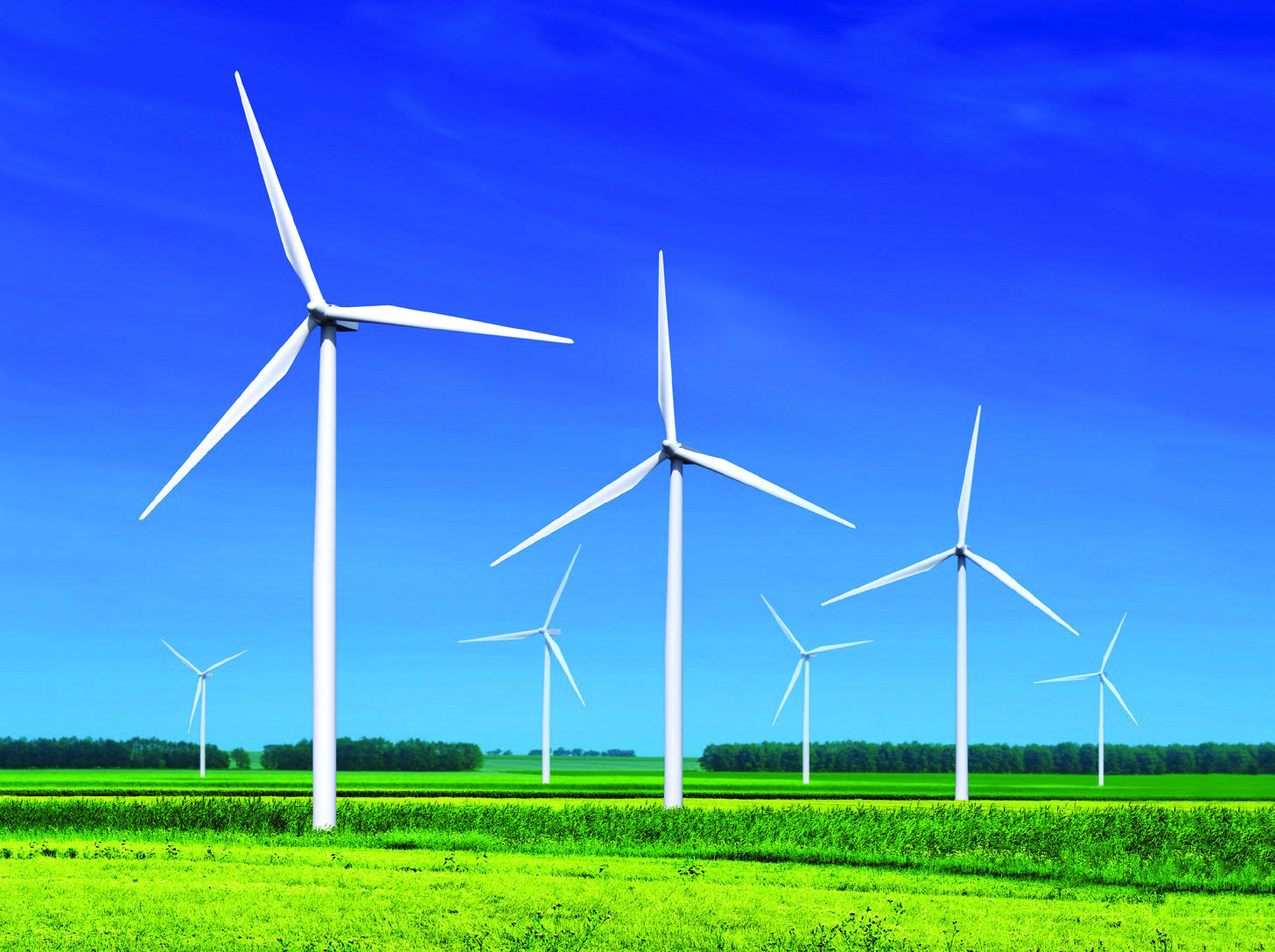
As governments, utilities, and investors accelerate the move away from fossil fuels, wind energy is becoming a central pillar of the global clean power transition, and new finance models are reshaping who can participate, and how rapidly projects can be developed. Drive Wise Innovations, a company that offers individual investors the ability to buy fractional shares in newly developed wind turbines, emerged during recent reporting on the sector as one of several firms experimenting with retail participation in renewable infrastructure.
Worldwide capacity additions for wind have expanded steadily over the last decade, driven by falling levelized costs, larger and more efficient turbines, and stronger policy commitments to decarbonize electricity supply. Growth has been especially rapid in offshore markets and in regions that pair wind with grid upgrades and storage, and industry analysts expect both onshore and offshore deployment to scale further as countries pursue net zero targets. In the United States, wind already supplies a large share of renewable generation in many states, and the sector is projected to add capacity as federal and state clean energy targets mature and as developers take advantage of tax incentives and permitting reforms. These broader industry trends create a larger pool of projects that can attract diversified capital, including smaller, individual investors.
Investors have long provided the majority of project capital through institutional channels, but fractional ownership models are gaining attention because they can lower barriers to entry for retail participants while expanding the range of capital available to developers. The concept is straightforward, investors buy small ownership stakes in specific turbines or projects, and receive returns tied to generated electricity, contract revenues, or long term asset appreciation. Proponents say the model can deepen public engagement with clean energy, provide alternative financing to speed project starts, and distribute the economic benefits of local projects among residents. Skeptics warn that retail structures must be transparent about fees, risks, and liquidity, and must comply with securities rules to avoid exposing unsophisticated investors to complex infrastructure risk.
Drive Wise Innovations surfaced during reporting on these evolving finance mechanisms, after a recently launched Nebraska project sold out within 24 hours of its offering. That rapid uptake suggests local appetite for direct participation in clean energy projects, especially where community members can point to tangible outcomes such as land lease payments and local construction jobs. Companies that facilitate fractional investment are positioning themselves within larger global clean energy initiatives, by channeling dispersed capital into projects that contribute to national and international emissions reductions, while offering a consumer-oriented pathway into infrastructure finance.
The wind industry faces persistent public concerns, notably claims that turbines cause significant bird mortality, and that wind infrastructure harms landscapes or local environments. Scientific assessments and mitigation measures provide context. Comparative studies show that bird deaths from collisions with turbines are substantially lower than mortality from other human sources, including building collisions, vehicle strikes, and domestic cats, and modern project siting and operational adjustments can reduce collision risk further. Environmental review processes typically require preconstruction wildlife surveys, turbine layout optimization, and, where necessary, operational curtailment during high-risk conditions. Those measures reduce impacts on vulnerable species while allowing projects to proceed.
Other environmental critiques emphasize land use, noise, and visual intrusion, issues that have shaped tighter siting rules and community engagement practices. Developers frequently work with local stakeholders to adjust layouts, preserve corridors for wildlife, and implement habitat restoration programs near turbine sites. Industry research also highlights that distributed wind farms, combined with managed land-use practices, can coexist with agricultural activities, providing dual income streams for landowners and preserving open space compared with alternative development scenarios.
Policy and investment data illustrate why the sector continues to attract capital. Governments worldwide have set increasingly ambitious clean energy targets, and many have enhanced support mechanisms for renewables, including auctions, tax incentives, and grid access reforms. Private investment follows predictable signals; where stable policy frameworks and contracted revenue streams exist, capital flows into manufacturing, project development, and grid integration technologies. The result is a robust pipeline of projects that needs long term financing, which in turn creates opportunities for new retail investment platforms to participate alongside institutional providers.
Markets also show technological progress that underpins growth potential. Turbine sizes have increased, raising per-unit output, while improvements in blade design, digital controls, and predictive maintenance lower operating costs and improve availability. Offshore wind, in particular, benefits from higher and steadier wind speeds and is becoming a major focal point for large scale capacity additions in many national decarbonization plans. These technical gains make wind projects more bankable, and thus more attractive to diverse capital sources.
Drive Wise Innovations, as encountered while covering the sector, represents one way the industry is experimenting with democratizing access to project returns. The company’s quick sell-out in Nebraska indicates local demand, and it aligns with a broader movement to involve citizens directly in the economics of the energy transition. That approach is not a panacea, and its long term success will depend on regulatory clarity, sound investor protections, and demonstrable environmental stewardship at each project site.
The evolving mix of technology, policy, and finance suggests that decentralized investment models will play a growing role in mobilizing capital for wind projects, expanding public participation, and connecting local communities to the benefits of clean energy while remaining subject to rigorous environmental safeguards.